
SFS Woodland Creation for Farmers Expert UKFS Compliant Guidance from Forestry Professionals
Woodland creation can add real value to a farm. It can shelter stock, protect soils, improve water management, support biodiversity, and create a long-term timber asset. But only if the scheme, site, design, and paperwork line up.
That is where expert forestry guidance matters. Our SFS woodland creation support helps farmers and landowners assess opportunities, prepare practical plans, and work towards UKFS compliant woodland proposals that fit the holding, not just the form.
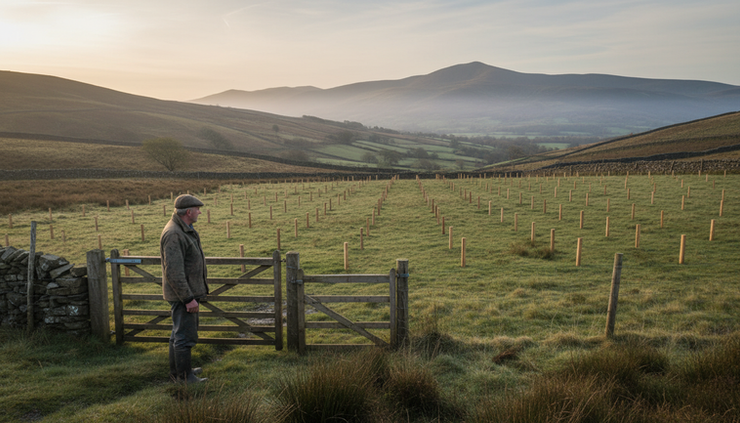
Woodland creation has to work for the farm
A good woodland plan should not take productive land out of use without a clear reason. It should solve a problem or create a practical gain.
That may include:
Shelter for lambing fields or exposed yards
Riparian planting along watercourses
Low-grade or awkward field corners brought into better use
Habitat links between existing hedges, trees, and woodland
Long-term timber or woodfuel production
Better soil protection on wet or steep ground
The best results come from matching the planting to the farm system. A block of trees in the wrong place can cause access problems, shading issues, or future management costs. A well-designed scheme can sit neatly beside grazing, cropping, public rights of way, drainage, and existing environmental features.
Our role is to make the opportunity clear before time and money are committed.
Why UKFS compliance matters
The UK Forestry Standard, often shortened to UKFS, is the reference standard for sustainable forestry in the UK. It covers how woodland should be planned, created, and managed. It looks at more than trees.
A compliant woodland plan needs to consider:
Landscape fit
Soil and water protection
Biodiversity
Historic environment features
Tree species choice
Deer, grey squirrel, and pest pressure
Access for planting and maintenance
Long-term management
Climate resilience
This is not just a technical box to tick. UKFS guidance helps avoid poor planting decisions that can be hard to fix later.
For example, planting the wrong species on wet ground can lead to poor establishment. Ignoring access can make maintenance expensive. Missing historic or environmental constraints can delay approval. A forestry professional spots these issues early and builds them into the proposal.
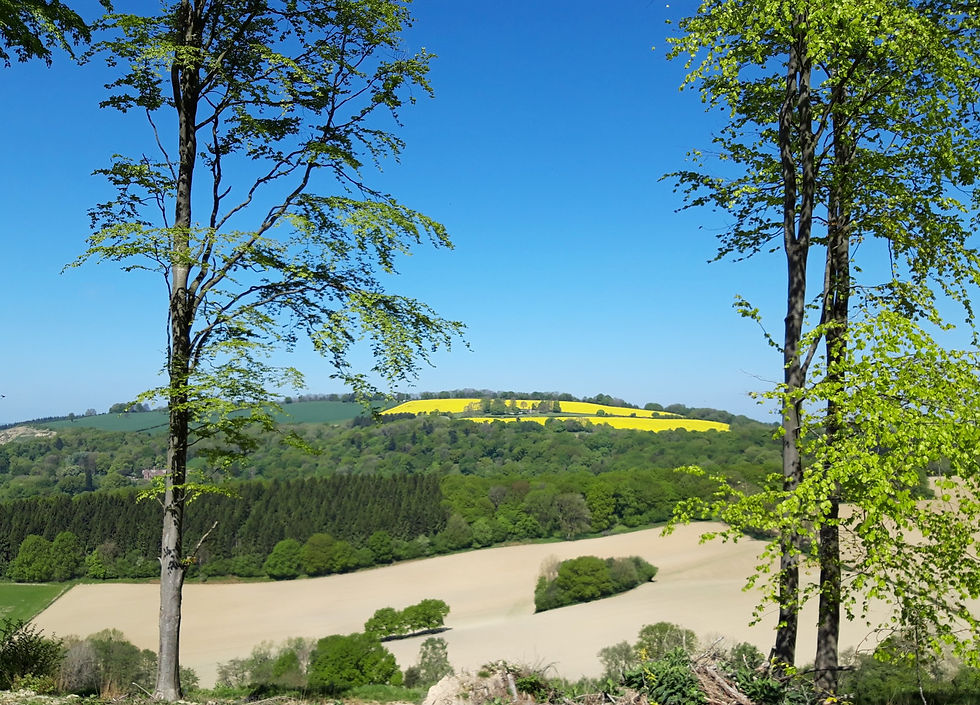
What our SFS woodland creation support includes
Our service is built around clear, practical advice from forestry professionals. The aim is to help farmers make informed choices and avoid costly mistakes.
Support can include:
Site appraisal
We review the land and identify where woodland creation may make sense. This includes soil, slope, exposure, water, access, existing habitats, and farm operations.
Scheme guidance
We help interpret the relevant woodland creation requirements and explain what they mean on the ground. That includes how SFS, Small grants, UA10, Woodland Creation, , may relate to the holding where applicable.
UKFS compliant design input
We prepare or support plans that reflect UKFS principles. This includes species selection, open space, buffers, access, landscape fit, and management needs.
Constraint checks
We look for issues that may affect a proposal, such as watercourses, protected habitats, utilities, archaeological features, and neighbouring land use.
Practical establishment advice
A successful scheme does not end when the trees go in. We advise on ground preparation, protection, planting methods, replacement planting, and early maintenance.
Long-term management thinking
Woodland is a long-term land use. A plan should consider how the trees will be inspected, protected, thinned, accessed, and managed in future years.
Good advice can protect the grant and the holding
Grant support can make woodland creation more achievable. It can also bring rules, evidence requirements, and management obligations.
That makes early advice valuable.
A forestry professional can help answer key questions before an application progresses:
Is the land suitable for woodland creation?
Which areas should remain open?
Which species are suitable for the site?
Will livestock access need to change?
How will new woodland affect drainage and boundaries?
What protection will young trees need?
Can the site be maintained properly after planting?
Is the proposal likely to meet UKFS expectations?
These answers help reduce risk. They also help build a scheme that is easier to deliver once approved.
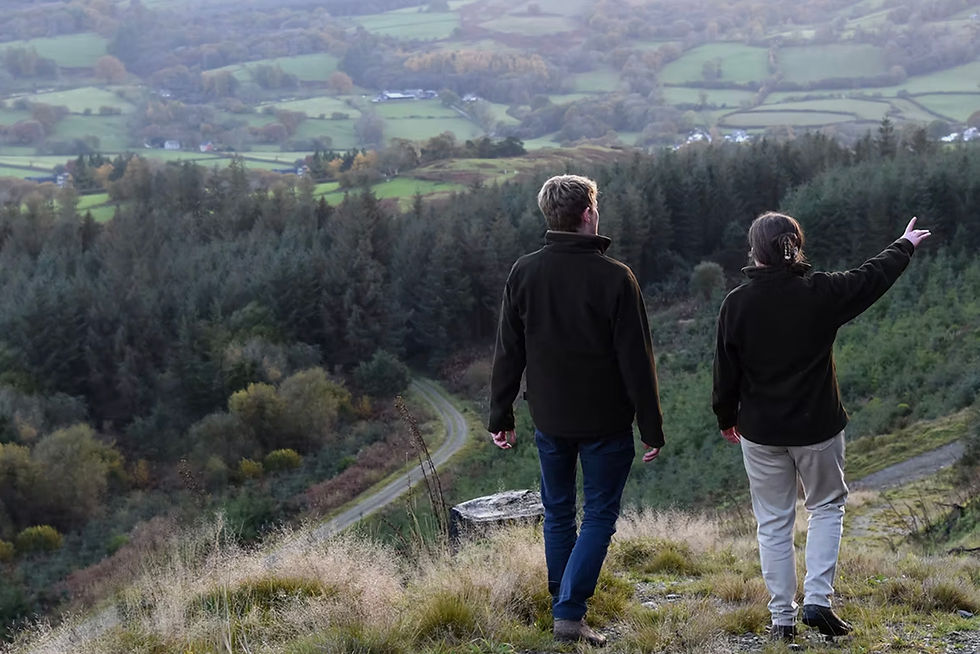
The value of forestry professionals
Farmers know their land. Forestry professionals know how to turn woodland ideas into sound, compliant proposals. The best schemes use both.
Professional input helps with the details that often decide whether a project works:
Right tree, right place
Species need to match soil, altitude, exposure, moisture, and future climate pressures. Native broadleaves may suit one area. Productive conifers or mixed woodland may suit another. Many sites need a considered mix.
Design that fits the holding
Woodland edges, rides, open space, and access routes all matter. Good design makes planting easier and future management cheaper.
Clear records and evidence
Grant schemes often need maps, plans, and supporting information. Poor records can slow progress. Clear documents help everyone understand the proposal.
Better establishment rates
Most failures start early. Poor planting, weak protection, and missed aftercare can undo a good design. Expert guidance helps set the right standard from the start.
Where woodland creation often works best
Not every field should become woodland. Strong candidates often include land that already has limited agricultural output or causes repeated management issues.
Useful areas can include:
Wet corners that are hard to graze or cut
Steep slopes at risk of erosion
Shelterbelts beside exposed grazing land
Streamside buffers
Field edges linking existing habitats
Small parcels with poor access for machinery
Areas beside existing woodland where expansion makes sense
The key is balance. Woodland should support the farm business and its environmental goals. It should not create a new burden.
FAQ
Can woodland creation still fit an active farm?
Yes. Many schemes are designed around working farms. The aim is to use the right areas, protect access, and avoid unnecessary conflict with grazing, cropping, and day-to-day operations.
Does every woodland proposal need to meet UKFS?
Woodland creation supported by public funding will usually need to align with UKFS principles. It is also good practice for any serious planting project.
What if the land is only suitable for a small area of trees?
Small areas can still be valuable. Shelterbelts, riparian buffers, and awkward corners may deliver strong benefits when designed well.
Can forestry professionals help before an application is made?
Yes. Early input is often the most useful stage. It can confirm whether a site is suitable and highlight issues before a proposal goes too far.
Will the trees need ongoing management?
Yes. Young woodland needs inspection, weed control, protection checks, and replacement planting where required. Long-term access and maintenance should be planned from the start.
Make woodland creation a practical farm decision
SFS woodland creation is not just about planting trees. It is about choosing the right land, designing the right woodland, and meeting the right standard.
With forestry professionals involved from the start, farmers and landowners get clearer options, stronger plans, and fewer surprises. The result is a woodland proposal that stands a better chance of approval, establishes well, and brings lasting value to the holding.


